
The Science of Regenerative Aesthetics
THE GRACE LIGHT GUIDE
Your biology. Your goals. A more informed conversation.
What if the goal is not simply to add, fill, or freeze? Regenerative aesthetics looks at a different question: how can treatment work with biological processes already happening within skin, soft tissue, or the hair follicle?

FIND YOUR STARTING POINT
Follow the biology.
“Regenerative” is a broad word. RADIESSE, PRP, PRF and hair-restoration protocols do not work the same way. Choose the pathway you want to understand, or read the guide from beginning to end.
FIRST, DEFINE THE WORD
“Regenerative” does not mean one thing.
It is an umbrella term for treatments intended to support or influence biological processes associated with tissue structure, repair, signaling, or renewal. The important part is the mechanism.
A calcium hydroxylapatite biostimulator is not the same as platelet-rich plasma. PRP is not the same as platelet-rich fibrin. And none of these should be casually described as stem-cell therapy.
FRAMING
The useful question is not “what is the most regenerative treatment?”
A BETTER QUESTION
Which biological process are we trying to influence, and why?
HOW THESE TREATMENTS HELP
A simple guide to regenerative treatments
Different regenerative treatments support different concerns. Some focus on skin firmness and structure. Others are used to support skin quality, subtle volume, or thinning hair.
Start with what you want to improve, then explore the treatment that may fit.

Support firmness & structure
RADIESSE BIOSTIMULATOR
RADIESSE supports the skin’s underlying structure and stimulates collagen and elastin production over time.
Best conversation for:
Skin firmness, structure, and gradual collagen support.

Refresh skin quality
PRP MICROTOX
PRP Microtox combines platelet-rich plasma with superficial microtoxin treatment to address concerns such as texture, fine lines, and visible pores.
Best conversation for:
Skin texture, fine lines, pores, and overall skin quality.

Subtle natural volume
PRF BIOFILLER
PRF Biofiller uses a preparation derived from your own blood to provide subtle soft-tissue support while incorporating platelets and fibrin involved in the body’s natural repair processes.
Best conversation for:
Subtle volume loss and natural-looking soft-tissue support.

Support thinning hair
PRP HAIR RESTORATION
PRP Hair Restoration uses platelet-rich plasma prepared from your own blood to support the environment around active hair follicles.
Best conversation for:
Gradual thinning, reduced density, and early pattern hair loss.
NATURAL RENEWAL. THOUGHTFUL CARE.
Four treatments. Four different approaches. One starting point: understanding what you want to improve.
MEET THE TREATMENTS
Same category. Different entry points.
Each option begins with a different question. Read the mechanism, understand what the treatment is trying to change, and take the provider question into your consultation.
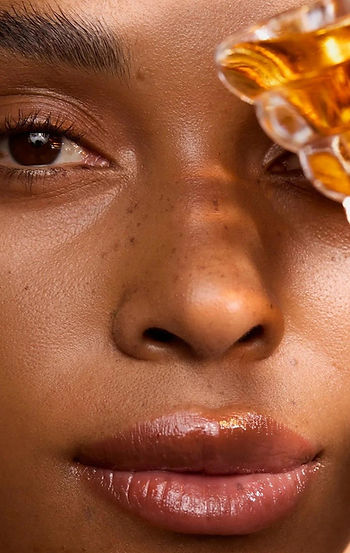
01
CALCIUM HYDROXLAPATITE / EXTRACELLULAR MATRIX
RADIESSE Biostimulator
CAHA MICROSPHERES
FIBROLAST ACTIVITY
COLLAGEN + ELASTIN
RADIESSE contains calcium hydroxylapatite microspheres suspended in a gel carrier. Depending on the technique and treatment goal, it can participate in both a structural and a biostimulatory conversation.
That makes it different from thinking only in terms of “filling.” A provider may be considering contour, tissue support, skin quality, or more than one of those goals.
THINK OF IT AS
Structure now. Biology over time.
ASK YOUR PROVIDER
Are we using RADIESSE primarily for structure, biostimulation, or both?
02
PLATELET-RICH PLASMA + SUPERFICIAL MICROTOX
PRP Microtox
YOUR BLOOD
CONCENTRATED PLATELETS
COLLAGEN + ELASTIN
PRP begins with a sample of your own blood, processed to concentrate platelets and their associated signaling proteins. Grace Light’s PRP Microtox brings that platelet-focused approach into a separate conversation with small, superficial placements of botulinum toxin.
The two components have different intended roles. PRP is explored for gradual skin-quality changes. Superficial microtoxin techniques have been studied for concerns such as visible pores, oiliness, texture, and fine lines.
THINK OF IT AS
Two components. Two roles. One individualized plan.
ASK YOUR PROVIDER
What is the PRP contributing, what is the toxin contributing, and what evidence exists for combining them?


03
PLATELET-RICH FIBRING / AUTOLOGOUS SOFT-TISSUE SUPPORT
PRF Biofiller
YOUR BLOOD
PLATELETS + FIBRIN
PERSONALIZED PREPARATION
PRF also begins with your own blood, but the preparation process differs from PRP and places greater emphasis on formation of a fibrin matrix.
“PRF Biofiller” is not one standardized commercial filler. Injectable PRF can remain fluid initially and then form fibrin, while other blood-derived preparations may be processed to create a more gel-like consistency for soft-tissue support.
THE DISTINCTION
Blood-derived does not mean “the same as hyaluronic acid filler.”
ASK YOUR PROVIDER
Exactly how is my PRF being prepared, and what kind of change are we expecting from it?
04
SCALP HEALTH / FOLLICLE SUPPORT
Hair Restoration
UNDERSTAND
PERSONALIZE
RESTORE
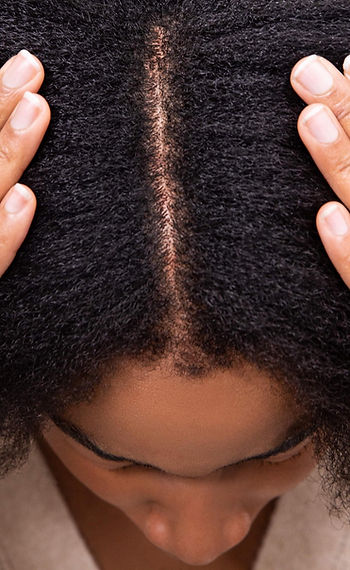
Hair restoration gives regenerative aesthetics a completely different focus. Rather than facial volume or skin texture, the attention shifts to the scalp, hair follicles, and the conditions that support healthy hair growth.
Thinning hair can take many forms, from a widening part or receding hairline to increased shedding and reduced density. At Grace Light, we explore the underlying causes and offer personalized treatment options designed to support scalp health and address hair thinning where appropriate.
STARTING POINT
Before treating the thinning, understand why it is happening.
ASK YOUR PROVIDER
What's contributing to my hair changes, and which restoration approach is right for me?
PRP VS. PRF
Similar origin. Different preparation.
Both begin with your blood. That does not make them interchangeable. The initials are only the beginning of the treatment story.
PRP
Platelet-Rich Plasma
A plasma-based platelet concentrate. Protocols can differ in platelet concentration, white-cell content, activation, centrifugation, and final composition.
-
Plasma-forward preparation
-
Platelet concentration varies by system
-
Used across skin and hair conversations
PRF
Platelet-Rich Fibrin
A platelet-containing preparation designed around formation of a fibrin matrix. Injectable PRF is not one universally standardized formula.
-
Fibrin plays a larger structural role
-
Preparation strongly influences consistency
-
Explored for skin, soft tissue, and hair applications
Which one is better?
Better for what? Prepared how? Measured by what outcome? Supported by which evidence? Those are the questions that turn a trend into an informed treatment conversation.
READ THE EVIDENCE
Better science creates better questions.
Clinical evidence does not have to be perfect to be useful. But it should be interpreted for the exact product, protocol, outcome, and person being treated.
RADIESSE
Product-specific indications and technique matter. A broad statement about “collagen stimulation” should never replace a conversation about placement, formulation, anatomy, and the actual treatment goal.
Ask: Which indication or technique are we using in my case?
PRF
The literature is developing and protocols remain less standardized. The exact preparation used in practice matters when interpreting evidence.
Ask: What does the evidence support for the preparation you use?
PRP facial rejuvenation
Research is promising in several skin-quality measures, but preparation methods, application techniques, dosing, and study methods differ substantially.
Ask: What specific change are we trying to measure?
Hair Restoration
PRP has meaningful evidence in androgenetic alopecia, but response varies and diagnosis still matters. Different causes of hair loss require different conversations.
Ask: What type of hair loss do I have?
KEEP THE DIFFERENCES CLEAR
Your options, at a glance.
Use this as a conversation aid. It does not establish candidacy, predict a result, or replace medical assessment.
Option | Starts With | Primary Conversation | Timeline | Important Question |
|---|---|---|---|---|
PRP Hair Restoration | Your platelet-rich plasma | Active follicles and thinning hair | Progress assessed over months | What is causing my hair loss? |
PRF Biofiller | Your blood + fibrin-based preparation | Subtle soft-tissue support and rejuvenation | Depends on preparation and treatment goal | What exactly is being prepared and injected? |
PRP Microtox | Your plasma + superficial botulinum toxin | Texture, pores, fine lines, skin quality | Components act on different timelines | What is each component intended to do? |
RADIESSE Biostimulator | Calcium hydroxylapatite | Structure, tissue support, skin quality, contour | Immediate + gradual components may coexist | Are we treating structure, skin quality, or both? |
THE GRACE LIGHT PERSPECTIVE
Sometimes regeneration means patience.
The appeal is understandable. Instead of only asking what can be added, we can also ask what the tissue may still be able to do.
But collagen remodeling takes time. Hair grows slowly. PRP and PRF responses vary. Some concerns need structural correction rather than biological stimulation alone. We would rather explain those differences than sell the category.

FROM BIOLOGY TO A PERSONAL PLAN
Understand first. Treat second.
01
Name the change
Tell us what you actually notice: thinning hair, texture, volume change, laxity, or something else. The concern matters more than knowing a treatment name.
02
Identify the target
We clarify whether the conversation is about structure, skin quality, volume, muscle activity, pigment, hair follicles, or more than one target.
03
Understand the recommendation
What is being used? Why? Where? What evidence supports it? What remains uncertain? What alternatives deserve consideration?
04
Give biology time
Agree on what progress should look like, when to reassess, and what would justify repeating, changing, or stopping treatment.
CONSULTATION COMPANION
Bring your curiosity.
You do not need to choose RADIESSE, PRP, or PRF before you arrive. Better questions make a better consultation.
What exactly are we trying to change?
Separate the visible concern from the treatment name. Texture, volume, structural support, pigmentation, expression, and hair thinning can require very different plans.
Which biological pathway does this treatment affect?
Ask the provider to explain the mechanism in plain language and connect it directly to the concern you described.
Why this option instead of filler, toxin, laser, skincare, medication, or no treatment?
A useful recommendation includes alternatives and tradeoffs. The most fashionable treatment is not automatically the best fit.
Is this use FDA approved or off-label?
Off-label use can be common in medicine, but it should be disclosed and discussed so you understand the evidence and rationale.
How is the product or blood-derived material prepared?
This is especially important with PRP and PRF because preparation protocols are not identical and can meaningfully affect the material being used.
When should we evaluate whether it worked?
Agree on the outcome you are tracking, how it will be documented, and when reassessment makes sense before committing to more treatment.
What if I do nothing today?
You are allowed to leave with information. Understanding the natural course of the concern can help you decide whether treatment is worth pursuing now, later, or not at all.
CONFIDENCE IN EVERY LIGHT
Your body already knows
how to change.
Our job is to understand when supporting that biology makes sense. Start with the question. We will help you understand your options. The next step is yours.
Clinical Notes
This guide is educational and does not replace a medical consultation. Research is one part of decision-making. Candidacy, product selection, technique, treatment areas, timing, and results are individual. All procedures carry risk.

